Wishing Star: A Script Font for Dreamy Design Projects
A First Glance at Wishing Star
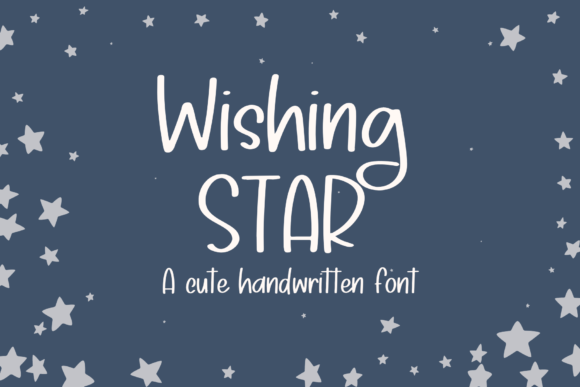
When I first saw Wishing Star, it felt like opening a letter written in ink and parchment. It carries that delicate, almost whimsical energy that script fonts often do, but with a level of refinement that sets it apart. The curves are smooth, the strokes are fluid, and there’s a subtle elegance to each character that suggests it was crafted with intention.
This is not a wild, chaotic script. It leans into the idea of handwritten grace. There’s a softness to it that feels inviting, yet it doesn’t sacrifice clarity. It has a visual personality that whispers rather than shouts — perfect for projects where you want to evoke warmth without overwhelming the viewer.
Where Wishing Star Shines in Real Projects
I’ve tested Wishing Star across several design scenarios, and here’s how it performs:
- Logo Design: Works well as a brand mark when paired with a clean sans serif or modern display font. Avoid using it alone on small scales unless you're confident in its legibility.
- Packaging Design: Ideal for premium products like candles, skincare, or luxury gift boxes. It adds a touch of sophistication and personalization.
- Social Media Graphics: Great for captions, quotes, or short phrases. It gives your content a more human, handcrafted feel that can boost engagement.
- Editorial Design: Use it sparingly in headlines or pull quotes. It brings a unique visual rhythm to layouts without distracting from the content.
- Digital Ads: Can work if the ad is focused on lifestyle, wellness, or creative industries. Just ensure contrast is high and text size is generous.
- Canva Templates: Adds a decorative flair to templates aimed at weddings, events, or creative entrepreneurs looking to stand out.
- Cricut Projects: Offers a nice balance between detail and simplicity, making it suitable for cutouts on cards, tags, or fabric.
Practical Considerations and Limitations
While Wishing Star is undeniably beautiful, it’s important to be mindful of its use cases. This is a display font, so it’s best reserved for short bursts of text rather than long paragraphs. In web design, avoid using it for body copy — it can become hard to read at smaller sizes, especially in low-contrast environments.
Here are some practical designer notes to keep in mind:
- Test it in black and white: This helps assess contrast and readability, especially if you plan to print it on dark or textured materials.
- Check small-size readability: If you're using it for mobile interfaces or digital ads, make sure it remains legible at 14px or below.
- Try it on real mockups: See how it looks on different surfaces — paper, fabric, glass, or plastic — to understand its adaptability.
- Compare uppercase and lowercase: Uppercase letters may appear too formal or rigid, while lowercase maintains the flow and softness.
- Review spacing: Adjust tracking or leading if needed, especially when combining it with other typefaces.
- Test it beside serif, sans serif, script, and display fonts: Pairing it with a strong sans serif like Montserrat or a clean serif like Playfair Display can create a balanced look.
- Confirm commercial licensing: If you're using this for client work, branding, or digital products, ensure you have the right license for commercial use.
The Emotional Impact of Wishing Star
Fonts aren’t just about aesthetics; they influence mood and perception. Wishing Star has a gentle, almost nostalgic feel. It evokes imagery of handwritten notes, starry nights, and quiet moments of reflection. This makes it ideal for brands that want to communicate warmth, creativity, or a sense of wonder.
In terms of brand identity, it works best for businesses that lean into storytelling, artistry, or emotional connection with their audience. However, it might not be the best choice for tech startups or data-driven industries where professionalism and clarity are top priorities.
For readability and hierarchy, use it as an accent rather than a primary font. Let it highlight key messages or serve as a visual punctuation in your designs. When used correctly, it enhances audience trust by adding a human touch to otherwise sterile visuals.
Final Thoughts on Wishing Star
Wishing Star isn’t a font for every project, but when used thoughtfully, it can elevate your design work. Its charm lies in its subtlety — it doesn’t demand attention, but it lingers in the memory. Whether you're crafting printable design assets, building a digital product, or enhancing a social media graphic, this script font offers a unique voice that stands out in a sea of generic typefaces.
If you’re working on a project that needs a little extra soul, consider giving Wishing Star a try. Just remember to pair it wisely, test it thoroughly, and always prioritize readability. After all, even the most beautiful creative font must serve a purpose — and that’s to communicate clearly and beautifully.